Polysulfone stands as a crucial engineering thermoplastic in modern aerospace applications, offering exceptional performance under extreme conditions. This high-performance polymer combines remarkable temperature resistance, mechanical strength, and chemical stability, making it ideal for demanding aerospace components. The material’s unique combination of properties has led to its widespread adoption in critical aircraft systems and structures.

The aerospace industry utilizes polysulfone across various applications, from interior panels to complex fuel system components. This versatile material excels in high-temperature environments, maintains structural integrity under mechanical stress, and provides excellent chemical resistance. The following sections examine polysulfone’s key properties, manufacturing techniques, specific aerospace applications, and essential design considerations for optimal implementation in aerospace components.


Properties of Polysulfone for Aerospace Applications

The molecular structure of polysulfone, characterized by repeating sulfur molecules in its backbone, enables a remarkable set of properties that make it invaluable for aerospace applications. These properties combine to create a material that excels in the demanding conditions of aircraft operations.

High temperature resistance

Polysulfone demonstrates exceptional thermal stability, maintaining its dimensional integrity at temperatures up to 185°C (365°F). This high-temperature performance is particularly crucial for aerospace components that experience significant thermal stress. The material’s glass transition temperature of approximately 187°C ensures reliable performance even during prolonged exposure to elevated temperatures.

Excellent mechanical strength

The material exhibits outstanding mechanical properties, with high tensile strength and flexural modulus that remain stable even as temperatures increase. Its amorphous structure contributes to exceptional dimensional stability and resistance to creep under load. These characteristics make it particularly suitable for structural components that must maintain their integrity under varying stress conditions.

Chemical and radiation resistance

Polysulfone demonstrates superior resistance to:

  • Inorganic acids and bases
  • Hydrocarbon oils and detergents
  • Steam and hot water exposure
  • Radiation environments

The material’s hydrolytic stability is particularly noteworthy, allowing it to maintain its properties even after repeated exposure to steam sterilization and hot water cleaning processes.

Low weight and high stiffness

With a density range of 1.2-1.4 g/cm³, polysulfone offers an excellent strength-to-weight ratio crucial for aerospace applications. The material’s inherent stiffness, combined with its low weight, makes it an ideal choice for components where weight reduction is critical without compromising structural integrity. Its high stiffness characteristics remain consistent across a broad temperature range, ensuring reliable performance in various operating conditions.

The material’s transparency and self-extinguishing properties further enhance its versatility in aerospace applications, particularly in interior components where both visibility and fire safety are essential considerations.


Manufacturing Techniques for Polysulfone Aerospace Parts

Manufacturing polysulfone aerospace components requires specialized techniques that ensure precise dimensional accuracy and maintain the material’s superior properties. Each manufacturing method offers distinct advantages for specific aerospace applications.

Injection molding

Injection molding of polysulfone demands precise control over processing parameters. The material requires pre-drying at 120-140°C for 4-6 hours to prevent degradation during processing. The molding temperature typically ranges above 280°C, with careful attention to:

  • Mold temperature control (120-160°C)
  • Injection pressure (above 100 MPa)
  • Proper venting and gate design
  • Post-processing annealing treatment

Extrusion

The extrusion process for polysulfone aerospace components involves forming the material through a die to create constant cross-section profiles. This continuous process requires heating the polymer above its melt temperature while maintaining precise control over:

  • Screw design and barrel temperature
  • Cooling and calibration systems
  • Dimensional stability during solidification

Thermoforming

Thermoforming offers significant advantages for aerospace applications, particularly for large-scale components. The process provides lower tooling costs and reduced development time compared to injection molding. This technique excels in producing interior panels, seatbacks, and various cabin components while maintaining tight aerospace tolerances.

3D printing/additive manufacturing

Advanced 3D printing technologies have revolutionized polysulfone component manufacturing for aerospace applications. This process enables the production of complex geometries and lightweight structures through layer-by-layer deposition. The technology offers several benefits:

  • Rapid prototyping capabilities
  • Design flexibility for complex parts
  • Reduced material waste
  • On-demand production potential

The selection of manufacturing technique depends on factors such as component size, complexity, production volume, and specific performance requirements. Each method requires careful attention to processing parameters to maintain polysulfone’s inherent properties and meet stringent aerospace quality standards.


Key Aerospace Components Using Polysulfone

The versatility of polysulfone has led to its widespread adoption across numerous aircraft components, each leveraging specific material properties for optimal performance. From cabin interiors to critical system components, polysulfone’s unique characteristics make it an ideal choice for demanding aerospace applications.

Interior panels and structures

Polysulfone’s inherent flame retardance and favorable fire, smoke, and toxicity (FST) behavior make it particularly suitable for aircraft cabin applications. The material excels in interior components including:

  • Ceiling elements and partitions
  • Light covers and galley doors
  • Privacy screens and decorative panels
  • Seating components and structural elements

These applications benefit from polysulfone’s ability to be processed into sheets ranging from 0.5 to 5 mm thickness, offering inherent delamination resistance and easy colorability.

Electrical housings and connectors

The material’s exceptional electrical insulation properties and high-temperature resistance make it ideal for electrical components. Polysulfone maintains its dielectric properties even under extreme conditions, making it suitable for high-performance electrical connectors and housings. Its dimensional stability ensures reliable electrical connections throughout temperature fluctuations common in aerospace operations.
Fuel system components

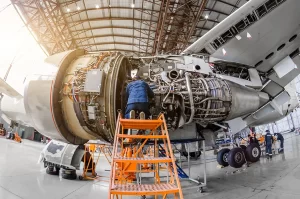
Polysulfone’s outstanding chemical resistance and stability make it particularly valuable in fuel system applications. The material maintains its structural integrity when exposed to aviation fuels and hydraulic fluids, while its high-temperature resistance ensures reliable performance across various operating conditions. Components include fuel manifolds, connectors, and specialized fittings designed for fuel system integration.


Hydraulic system parts

In hydraulic systems, polysulfone components demonstrate excellent resistance to pressure and wear. The material’s ability to maintain its mechanical properties under continuous pressure at temperatures up to 150°C makes it ideal for hydraulic system components. Its resistance to mineral acids, alkali, and electrolytes ensures long-term reliability in these critical applications.


Design Considerations and Best Practices

Successful implementation of polysulfone in aerospace applications requires careful attention to design principles and rigorous adherence to industry standards. Engineers must consider multiple factors to ensure optimal performance and longevity of components.

Accounting for thermal expansion

The design process must account for polysulfone’s thermal behavior, particularly its glass transition temperature of 187°C. Engineers should incorporate expansion joints and flexible mounting solutions in assemblies where significant temperature variations occur. The material’s amorphous nature provides better dimensional stability compared to crystalline polymers, but thermal cycling effects must still be considered during the design phase.

Optimizing part geometry for strength

Structural optimization focuses on maintaining uniform wall thickness and avoiding sharp corners that could concentrate stress. Design engineers should:

  • Implement appropriate radii at corners to distribute loads
  • Maintain consistent wall thickness to prevent warping
  • Consider creep behavior under sustained loads
  • Design for proper cooling during processing

Ensuring proper bonding and assembly

Surface preparation plays a crucial role in achieving reliable bonds. The material requires specific preparation techniques, including:

  • Thorough cleaning to remove contaminants
  • Surface treatment to enhance adhesion
  • Temperature control during bonding processes
  • Use of compatible adhesives or welding techniques

Testing and qualification procedures

Aerospace components manufactured from polysulfone must undergo rigorous testing to ensure compliance with industry standards. Testing protocols typically include:

  • Environmental stress testing
  • Chemical resistance verification
  • Mechanical property validation
  • Thermal cycling assessment
  • Radiation exposure testing when applicable

The testing phase must verify the component’s ability to maintain its properties under various environmental conditions, including exposure to cleaning agents, hydraulic fluids, and temperature extremes. Quality control measures should include dimensional verification and non-destructive testing methods to ensure structural integrity.


Conclusion

Polysulfone’s remarkable combination of high-temperature resistance, mechanical strength, and chemical stability positions it as an essential material for modern aerospace applications. The material’s proven performance in critical components, from interior panels to complex fuel system parts, demonstrates its versatility and reliability under extreme conditions. Manufacturing flexibility through injection molding, extrusion, thermoforming, and additive manufacturing enables aerospace engineers to create precisely engineered components that meet rigorous industry standards.

Success with polysulfone components demands meticulous attention to design principles, thermal considerations, and quality control measures throughout the manufacturing process. Optimize Performance with Precision-Engineered Polysulfone Parts – AIP’s aerospace-certified machining processes ensure superior component performance under extreme conditions. Request a quote to start your project.


FAQs

  1. What are some disadvantages of using polysulfone?
    While polysulfone has many benefits, it also comes with some drawbacks. Firstly, it is relatively expensive, which might deter some businesses and consumers. Additionally, it requires specialized equipment and expertise for processing, which can complicate its use.
  2. What are the benefits of using polysulfone membranes?
    Polysulfone membranes are particularly valued in microfiltration and ultrafiltration processes. Their advantages include chemical inertness across all pH levels, high compressive strength, and excellent thermal stability, making them ideal for demanding applications.

Follow AIP Precision Machining on Linkedin

linkedin logo

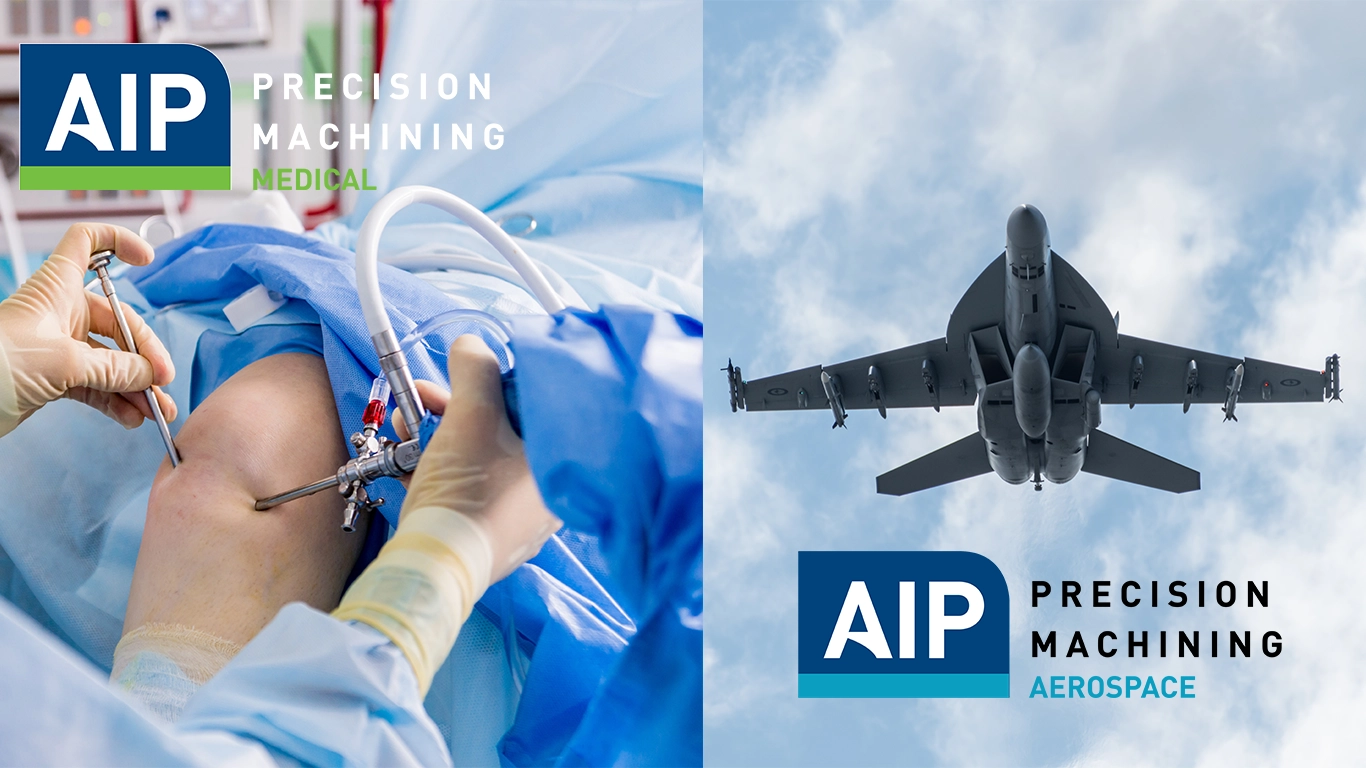
Ultra-high molecular weight polyethylene (UHMWPE) is one of the most versatile engineering materials in modern industry. This polymer combines exceptional mechanical properties with outstanding chemical resistance that makes it perfect for demanding applications. The material’s unique blend of high tensile strength, low coefficient of friction, and excellent wear resistance is a vital component in both medical and aerospace sectors.

The distinctive material properties of UHMWPE shine in medical implants and aerospace components. The material’s biocompatibility and wear resistance make it perfect for orthopedic devices and prosthetics. Its lightweight nature and impact strength excel in aerospace applications. Chemical stability and oxidation resistance have driven UHMWPE’s widespread adoption where reliability and durability matter most.


Chemical Structure and Properties of UHMWPE

UHMWPE is a semicrystalline polymer which features very long polyethylene chains with molecular weights that range between 3.5 and 7.5 million atomic mass units (amu) and are substantially higher than conventional polyethylene materials.

Molecular composition and structure

UHMWPE has a two-phase composite system of crystalline and amorphous regions. The material’s crystalline phase shows chains folded into highly oriented lamellae that create orthorhombic structures. These structures measure 10-50 nm in thickness and extend 10-50 μm in length. The amorphous phase features randomly oriented chain segments. Tie molecules connect individual lamellae and build a complex network that gives the material its exceptional properties.

Key physical and mechanical properties

UHMWPE’s distinctive molecular structure creates remarkable physical and mechanical features:

Property Characteristic
Tensile Strength 40% greater than comparable fibers
Crystallinity 39-75% depending on processing
Chain Orientation >95% parallel alignment possible
Impact Resistance Highest among thermoplastics
Friction Coefficient Comparable to PTFE

The material shows viscoelastic and viscoplastic behavior when temperatures exceed its glass transition point of -150°C. This makes its properties dependent on both rate and temperature. UHMWPE undergoes continuous deformation through creep under tensile load, which designers must factor into their plans.

Chemical resistance and stability

UHMWPE shows remarkable chemical stability because of its unique molecular structure. The material has these key resistant properties:

  • Strong resistance to concentrated acids, alkalis, and organic solvents
  • Great stability when exposed to UV radiation and microorganisms
  • High resistance to oxidative degradation, though it can form free radicals during irradiation
  • Very low moisture absorption since it lacks polar groups

The material starts to break down when hydroperoxides and peroxides decompose thermally. Several factors affect how quickly it degrades. These include free radical generation, antioxidant presence, oxygen exposure, and the polymer’s crystallinity level.


UHMWPE in Medical Applications

UHMWPE has become the gold standard material in medical implants in the last five decades, especially when you have total joint arthroplasty. This material’s remarkable combination of biocompatibility and mechanical properties has transformed orthopedic surgery and enables millions of successful procedures each year.

Orthopedic implants and prosthetics

UHMWPE stands as the preferred bearing material that doctors use in 85% of hip replacements and almost all knee replacements globally. Medical professionals use this versatile material in several orthopedic devices:

  • Acetabular liners in total hip replacements
  • Tibial inserts for knee replacements
  • Shoulder joint components
  • Spinal disk replacements
  • Ankle joint prosthetics

Advantages over traditional materials

UHMWPE stands out in medical applications because its unique properties closely match natural joint functions. A detailed comparison shows:

Property Benefit in Medical Applications
Wear Resistance Lowers debris formation and implant loosening
Biocompatibility Reduces adverse tissue reactions
Self-lubricating Surface Creates smooth joint movement
Shock Resistance Handles heavy loads effectively
Chemical Stability Resists degradation in biological settings

The material’s outstanding wear resistance and self-lubricating qualities work exceptionally well in articulating surfaces that connect with metallic or ceramic components.

Challenges and limitations in medical use

UHMWPE faces several challenges in medical applications despite its soaring wins. The biggest problem stems from wear debris generation that triggers osteolysis and leads to implant loosening. Scientists have tackled these limitations through:

  1. Advanced Manufacturing Techniques
    • Highly crosslinked UHMWPE development
    • Thermal stabilization processes
    • Precision machining methods
  2. Material Modifications
    • Vitamin E incorporation for oxidation resistance
    • Surface treatment using plasma technology
    • Nanocomposite development for improved properties

Antioxidants, especially vitamin E, have substantially boosted the material’s resistance to oxidation while keeping its mechanical properties intact. On top of that, surface modification techniques like plasma treatment and functionalization have improved the material’s performance in specific medical applications.

Scientists continue their work to extend UHMWPE’s lifespan through various approaches. New nanocomposites and state-of-the-art processing techniques show promise. These improvements aim to extend implant life and minimize revision surgeries – crucial for younger, active patients who need joint replacements.


UHMWPE in Aerospace Applications

Lightweight UHMWPE structural components used in aerospace for improved fuel efficiency and durabilityUHMWPE has become a game-changer in aerospace engineering and delivers exceptional performance for aircraft and spacecraft applications. This material’s unique properties are a great way to get solutions that meet aerospace’s strict requirements. Engineers just need lightweight and durable components, especially when you have to build aircraft parts.

Lightweight components and structures

The aerospace industry uses UHMWPE because of its remarkable strength-to-weight ratio in structural applications. This material weighs much less than traditional aerospace metals, with a density of 0.93-0.95 g/cm³. It still maintains superior mechanical properties. Common applications include:

  • Wing tip structures and inner wall components
  • Satellite communication antenna radar domes
  • Landing system components
  • Cargo handling equipment and air pallet nets
  • Structural panels for small satellites

UHMWPE helps reduce the aircraft’s overall weight without affecting its structural integrity. This weight reduction leads to better fuel efficiency and lower CO2 emissions.

Wear-resistant parts in aircraft systems

UHMWPE stands out as the perfect choice for critical mechanical components in aircraft systems due to its exceptional wear resistance and low friction coefficient. Here’s how the material performs in wear-resistant applications:

Property Performance Benefit Application Impact
Abrasion Resistance 10x better than carbon steel Extended component lifespan
Friction Coefficient 0.05-0.10 (unlubricated) Reduced maintenance needs
Impact Strength Superior to most thermoplastics Enhanced durability
Chemical Stability Resistant to aviation fluids Improved reliability

The material works exceptionally well in bushings, bearing pads, and cargo liner applications that face constant mechanical stress. Its unique properties make it a reliable choice for these demanding environments.

Thermal and radiation shielding

UHMWPE excels at protecting against cosmic radiation and thermal extremes in space. The material’s high hydrogen content makes it an excellent radiation shield that protects astronauts and sensitive electronic equipment. UHMWPE-based composites have shown impressive capabilities:

  1. Radiation Protection
    • Reduce cosmic radiation exposure in low Earth orbit
    • Shield against galactic cosmic rays
    • Minimize solar energetic particle effects
    • Protect against trapped protons
  2. Thermal Management
    • Operate effectively between -269°C to 80°C
    • Provide thermal insulation for sensitive components
    • Maintain structural integrity during temperature cycling
    • Resist thermal degradation in space environments

Modern spacecraft design now incorporates this material extensively, especially in small satellite applications where weight reduction matters most. UHMWPE fiber-reinforced composites serve dual purposes in structural panels by providing mechanical support and radiation protection.

Advanced manufacturing techniques and surface treatments have solved many traditional limitations in space applications. These improvements have enhanced UHMWPE’s interfacial adhesion properties and its resistance to space environment effects like atomic oxygen exposure and ultraviolet radiation. The material meets strict aerospace standards with low outgassing characteristics (CVCM < 0.1% and TML < 1.0%), which makes it ideal for space applications.


Future Trends and Innovations in UHMWPE Technology

Technological breakthroughs have transformed how scientists develop and apply Ultra-High Molecular Weight Polyethylene (UHMWPE). These advances redefine the limits of this versatile material’s capabilities. Scientists have enhanced manufacturing processes, material composition, and application methods that create new opportunities for UHMWPE use in industries of all types.

Advanced manufacturing techniques

UHMWPE processing has made remarkable progress through new manufacturing approaches. Powder bed fusion technology brings a breakthrough in UHMWPE fabrication. It uses sophisticated laser scanning strategies to create complex geometries that traditional methods could not achieve. The most important innovations include:

  • Larger hatch spacing helps control temperature better
  • Automated continuous processing creates braided structures
  • Multi-axis CNC systems fabricate precise components
  • Better thermal management during processing

Disentangled UHMWPE processing now produces materials with improved thermal and mechanical properties. This breakthrough gives better control over the molecular structure and leads to better performance characteristics and processing capabilities.

Nanocomposite UHMWPE materials

Nanofillers have revolutionized UHMWPE’s performance characteristics and created materials with exceptional properties. These cutting-edge composites show remarkable improvements in several key areas:

Property Enhancement Nanocomposite Impact
Wear Resistance 40-60% improvement from nanoparticle anchoring
Load Bearing Major strength boost through nanofiller bridging
Thermal Stability Better temperature resistance
Surface Properties Better adhesion and functionality

The latest advances in nanocomposite technology center on:

  1. Adding metallic nanoparticles to boost properties
  2. Creating functionalized carbon nanotubes
  3. Applying surface modification techniques
  4. Building hybrid nanocomposite systems

Emerging applications in space exploration

The space sector now widely adopts UHMWPE-based materials, especially when you have small satellite applications. Advanced radiation shielding capabilities make UHMWPE composites a great way to get protection for both equipment and personnel in space environments. The material’s development in space applications has:

  • Ultra-lightweight structural panels with integrated radiation protection
  • Multi-functional composites for thermal management
  • Smart UHMWPE systems with embedded sensors
  • Advanced surface treatments that resist space environment better

UHMWPE’s exceptional performance in Low Earth Orbit (LEO) environments has boosted its use in CubeSat and small satellite applications. These developments get support from innovations in:

Space Application Innovation Focus
Radiation Shield Improved hydrogen content optimization
Structural Components Multi-functional composite development
Thermal Management Advanced insulation systems
Surface Protection Novel coating technologies

Modern information technologies and artificial intelligence join to enable remote monitoring and intelligent management of UHMWPE components in space applications. This technological merger drives improvements in:

  1. Immediate performance monitoring
  2. Predictive maintenance capabilities
  3. Adaptive material response systems
  4. Improved reliability assessment

Environmental factors shape UHMWPE development more than ever, with focus on recyclability and sustainability. Scientists now research green manufacturing processes and environmentally conscious material formulations. They maintain the exceptional performance that makes UHMWPE crucial in critical applications.

Advanced manufacturing technologies help personalize UHMWPE products. This customization lets manufacturers produce application-specific components with optimized properties for specific uses, from medical implants to aerospace structures.


Conclusion

UHMWPE is a remarkable achievement in materials science that combines exceptional mechanical strength, chemical stability, and versatile applications. Its outstanding biocompatibility and wear resistance make it perfect for orthopedic implants. The aerospace industry values its lightweight nature and superior strength-to-weight ratio. Manufacturing advances and material modifications have made UHMWPE essential for critical applications in both sectors.

Recent breakthroughs in nanocomposite technology, advanced processing methods, and space exploration applications have pushed the material’s capabilities further. The improvements offer better performance and wider uses across industries. Looking for Reliable, High-Performance Components? Whether you’re developing advanced medical implants or high-performance aerospace components, AIP can provide the precision machining and material expertise you need.


FAQs

What characteristics does UHMWPE possess?
UHMWPE is recognized for its toughness, slickness, and durability, boasting high tensile strength. It is exceptionally resistant to corrosive chemicals, wear, abrasion, impact, moisture, and cold temperatures. UHMWPE also features a very high molecular weight, ranging between 3.1 and 100 million grams per mole.

In what areas is UHMWPE utilized?
UHMWPE is extensively used in various industrial sectors due to its durability, low friction, and chemical resistance. Besides the aforementioned applications in the medical and aerospace industries, common applications include wear strips, chain guides, parts for packaging machinery, and marine dock fender pads.

What are the specific properties of UHMWPE fibers?
UHMWPE fibers are highly resistant to abrasion and, being hydrophilic, absorb almost no moisture. However, it’s important to note that UHMWPE fibers tend to creep more under constant and continuous load compared to other high-performance fibers.

How do UHMW and UHMWPE differ in terms of strength and toughness?
UHMWPE is both stronger and tougher than UHMW. It has a tensile strength of up to 6000 psi and an impact strength of 160 ft-lbs/in, whereas UHMW has a tensile strength of about 3100 psi and an impact strength of about 75 ft-lbs/in.

Follow AIP Precision Machining on Linkedin

linkedin logo