Push the Boundaries of High Performance and Sustainability With Precision Polyimides

When it comes to choosing a polymer for critical applications, there is no room for compromise. You need a material that can withstand the most challenging conditions while still providing the performance you need. For extreme environments, there is no better choice than DuPont’s Vespel® polyimide.

This unique polymer has been proven to exceed the performance of other materials in demanding applications, making it an essential component for mission-critical systems. With its exceptional strength and thermal stability, polyimide is ideal for use in aerospace and automotive engineering. So if you’re looking for a polymer that can handle anything, look no further than Vespel® polyimide.


Vespel® Works Overtime in Harsh, Demanding Environments

 

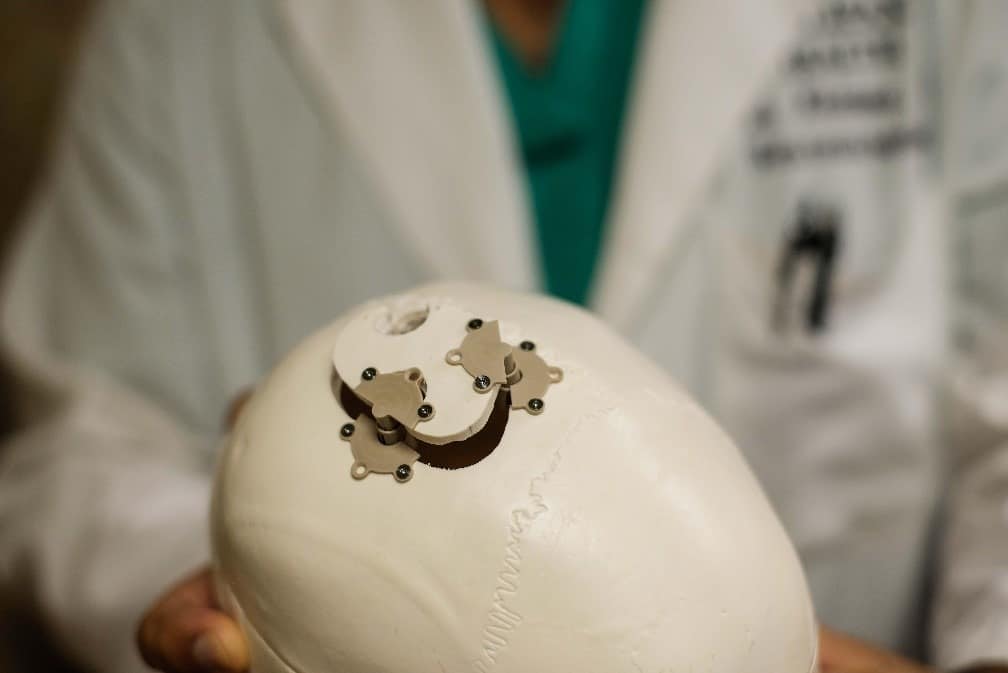
Image Source: Alan Turing Institute


Polyimide or Vespel® is a high-performance polymer made to withstand extreme environments where continuous friction and vast temperature variations are the norms. It’s most commonly found in engine components for the automotive and aerospace industries, as well as bushings and seals in industrial and energy applications. These mission-critical parts might come as small pieces, but they make a significant difference in weight, stability, and material longevity. Let’s take a closer look at how Vespel® benefits the Aerospace and Defense industry.


Aerospace applications of PI include:

  • compressors
  • fans
  • externals
  • nacelles
  • and engine oil system seals


The engine of an aircraft, whether for military or commercial use, is the most essential part of the plane. Keeping an aircraft in the sky and ensuring it reaches its destination is more than mission-critical; it’s non-negotiable. Vespel® meets the challenges of these environments, providing engineers with an innovative material advantage.


Vespel® Features and Benefits

Vespel® thrives in some of the most punishing environments like aircraft engines or gas-fired turbines. Here, we explore the top three features and benefits of Vespel®:


Feature Benefit
Vespel® is a lightweight alternative to metal. It offers a high tensile (8,750 psi) and flexural (16,000 psi) strength at one-half the weight of metal. Save weight – Vespel® offers astounding weight-saving benefits for aircraft by replacing metal or aluminum parts that add unnecessary weight.
Continuous service temperature – cryogenic temperatures to 260°C (500°F). Resist wear – With high temperatures, high speeds, and constant environmental fluctuations, Vespel® is a top choice for impact resistance and material preservation. It’s often found on bushings, fan blade root wear strips, as well as custom bumpers and pads.
Lower friction versus metal with a dynamic coefficient of 0.2 or less. Minimize friction losses – Components such as bushings need to withstand impact, cantilever loading, and accommodate designs with tight fits. Vespel slows part degradation and improves overall aircraft operability.


How Vespel® Compares to Other High-Performance Plastics

Vespel® is a high-performance plastic that is used in a variety of applications where strength, stability, and resistance to extreme temperatures are required. How does it stack up to other performance plastics like PEEK (Polyetheretherketone) and PEI (Polyethylenimine)?
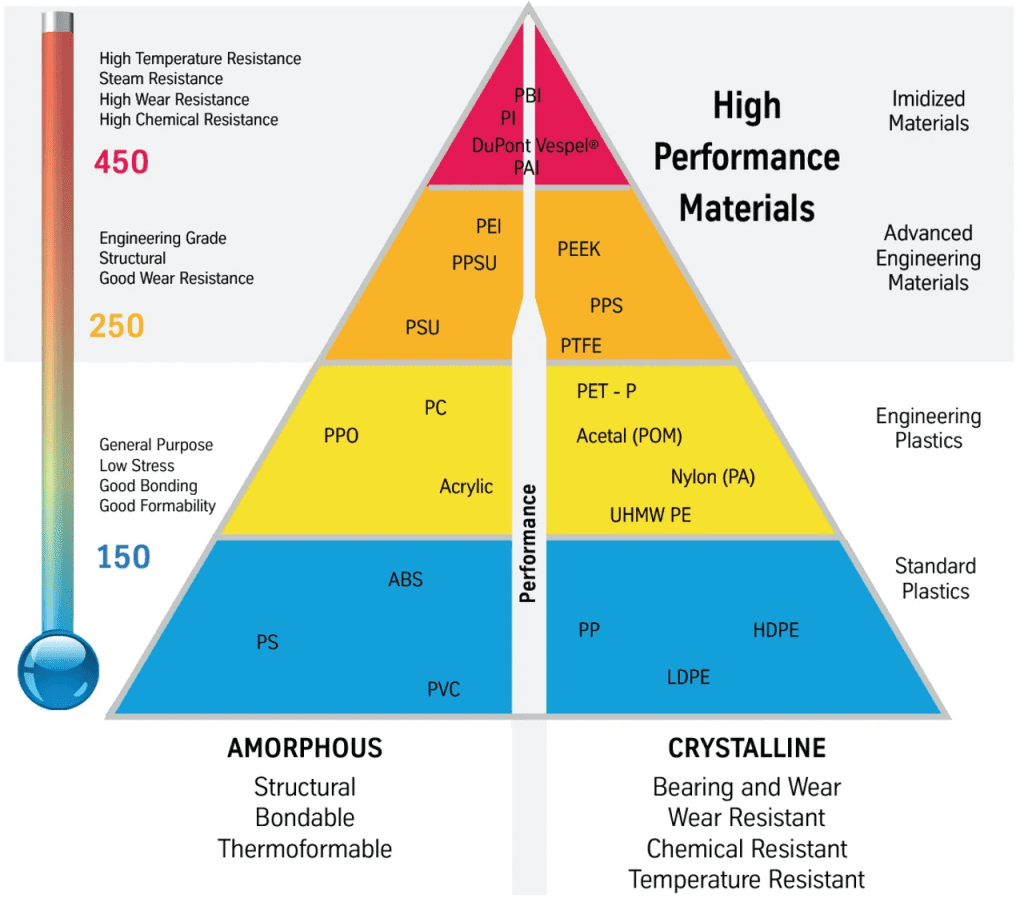
Image Source: Performance Plastics Chart


When it comes to precision plastics, PEEK and PEI hold their own as exceptional engineering plastics. PEEK is often used in the medical field as a material for bone implants. PEI is most commonly used in high voltage electrical insulation applications due to its high dielectric strength. In comparison to PEEK and PEI, Vespel® has superior mechanical strength and flexibility.


Additionally, Vespel® is resistant to a wide range of chemicals, making it an ideal material for use in harsh environments. While Vespel® has many advantages over other high-performance plastics, it remains more expensive than these materials due to its complex manufacturing process.


Why Choose AIP for Your Vespel® Project?

When you’re working with a material like Vespel®, there is no margin for error. That’s why choosing a machining shop includes how they handle the material and how they handle your project from concept to completion.


38 Years of Precision Plastics Expertise

At AIP Precision Machining, we have over 38 years of experience in precision thermoplastics. Unlike other shops that may machine metals or other materials alongside plastics, our shop is 100% dedicated to plastics machining. It makes a difference in quality at the end of the day, as you can be assured that your machined parts will not deteriorate or crack from exposure to metal machining fluids.


Quality Assurance From Beginning to End

From start to finish, we take quality and compliance seriously. AIP is certified and adheres to the following regulations and standards:

  • ITAR
  • AS9100:2016
  • FDA Registered
  • ISO 13485.


Partnering With Leading Industry Suppliers

We have close ties with leading plastics manufacturers to give us even further insight and access to technical help in material selection, sizing, and machining protocols.


Through these partnerships, we offer a variety of materials available for expert machining services, including:

  • Vespel® SP and Vespel® SCP products
  • Ultem®
  • Ertalyte®
  • Radel®
  • Torlon®
  • Delrin®
  • and more


Unrivaled Expertise. Unparalleled Results

If you are interested in a quote for machined Vespel® or want a consultation for your precision project, give our team a call at (386) 274-5335 or click here. No matter how unique or complex your project may be, we are here to provide unrivaled expertise and guidance.

Find your next aerospace material for your mission-critical application.



Follow AIP Precision Machining on Linkedin

linkedin logo

Here’s Why PEEK Is Kicking Metal to the Curb in Performance Engineering Applications

In the thermoplastic industry, there are a few materials that reign supreme. Among these, PEEK (polyetheretherketone) is king. This polymer has several advantages over traditional metal fabrication.


In this PEEK guide, we’re exploring why high-performance thermoplastic PEEK is kicking metal to the curb. PEEK has the strength and durability of metal, but at a fraction of the weight and resists chemicals and hydrolysis. It’s these qualities that allow PEEK polymers to replace metals in precision engineered components.


Industries That Benefit From PEEK Versus Metals

Let’s take a look at how PEEK improves performance and functionality in some leading mission-critical industries.


Aerospace and Defense

The aerospace and defense sector often replaces aluminum parts in favor of PEEK for weight reduction and its tolerance to high temperatures. The benefits include fuel reduction and longer part lifespan. PEEK is also a safer material to use, since its low conductivity allows for lower heat build-up.

Another strength of PEEK over metals is inherent to all plastics. PEEK has exceptional thermal and electrical insulative properties, which comes in handy with equipment designed to undergo extreme stress. Thermal insulation ensures the pieces won’t melt or damage neighboring equipment, much in the same way electrical insulation will stop damaging currents of electricity from harming critical systems on the plane.


Medical and Life Sciences

Material choice and design functionality make a vast difference for surgical instrumentation in the medical field. As a chemically inert thermoplastic, PEEK wins over metal in areas where chemicals may be present. Furthermore, PEEK offers radiolucency for scanning machines that need to produce clear readings of the interior of the body. Metals often muddle or interfere with the imaging.

PEEK has passed all ISO 10993 biocompatibility tests for both short and long-term implants. However, because PEEK is so durable, it’s generally only recommended for long-term implants.


Oil and Gas

With excellent resistance to abrasion, chemicals, and hydrolysis, PEEK thrives in tough environments, such as offshore oil rigs. The equipment in the oil and gas industry is placed deep underground where conditions, chemical reactions, and forces are unpredictable. PEEK is a common material for seals and valve plates to ensure a fail-safe environment.


Precision Devices

The use of PEEK in precision devices is not just for its elevated level of structural rigidity but also because it provides electrical insulation. Connector covers and transducer cases are made from this material to avoid interference with signals passing through the wires within a device. Since this industry engineers streamlined lighter designs, PEEK is an ideal choice for weight reduction.


Weight Reduction


One of the leading reasons for choosing PEEK over metallic competitors like aluminum or titanium is its lightweight properties. This has opened the door to many engineering material innovations.


One area, in particular, is aerospace and defense. Using PEEK over metals can cut fuel usage and create weight savings of up to 60 percent. This translates to lower annual fuel costs, reduced emissions, lower carbon footprints, and extended flight ranges.


Enhanced Performance

Polyetheretherketone PEEK provides performance-enhanced products by extending service life and resistance to corrosion with a lower coefficient of friction. In dynamic applications such as bearings or seals, this tough plastic can increase load capacity while also operating at temperatures of up to 480°F. This translates to fewer instances of maintenance and a longer overall performance from the system as a whole.


Design Freedom

One of the greatest strengths of thermoplastics is their contribution to design processes. PEEK can be CNC machined, injection molded, and even 3D printed. This type of versatility enables greater design freedom for complex engineering and custom geometries. Thermoplastic PEEK versus metals can be machined to specific tolerances as low as 0.002mm with the right machining shop.


High Purity


The medical sector demands nothing less than complete purity from materials, especially in the case of orthopedic implants, for instance. Metallosis is a real concern for metal implants as they can leach into the body. PEEK ,including Glass-Filled, PEEK-HT (High Temperature), and PEEK-UHP (Ultra-High Purity) are all desirable alternatives for metal applications in food processing, biomedical, and semiconductors.


Total Lower System Cost

When it comes to individual material costs, PEEK can range from 20 to 30 times the cost of some metals like stainless steel. Yet, the stand-alone cost cannot be the main factor in high-performance design decisions. Engineers look at the big picture in the long run of material value.

With the overall improvement in material performance, longevity, weight reduction, and purity factors, PEEK significantly decreases the cost of a total system. This is why it’s a popular material choice for high-performance engineering components.


The Global Leader for Performance PEEK Components

Precision and performance are what we strive for at AIP Precision Machining. With decades of experience in the industry, our dedicated craftsmen and close ties with leading plastic manufacturers allow us to provide unrivaled knowledge and consulting services in material selection, sizing, manufacturing techniques, and more to best meet your project’s needs.

If you are looking to use PEEK for your precision project, reach out to our team for a consultation. We are here to help solve your plastics puzzle and provide technical expertise and diligent craftsmanship from concept to completion.


Thinking about PEEK for your precision project?

Discover what this polymer can do


Follow AIP Precision Machining on Linkedin

linkedin logo