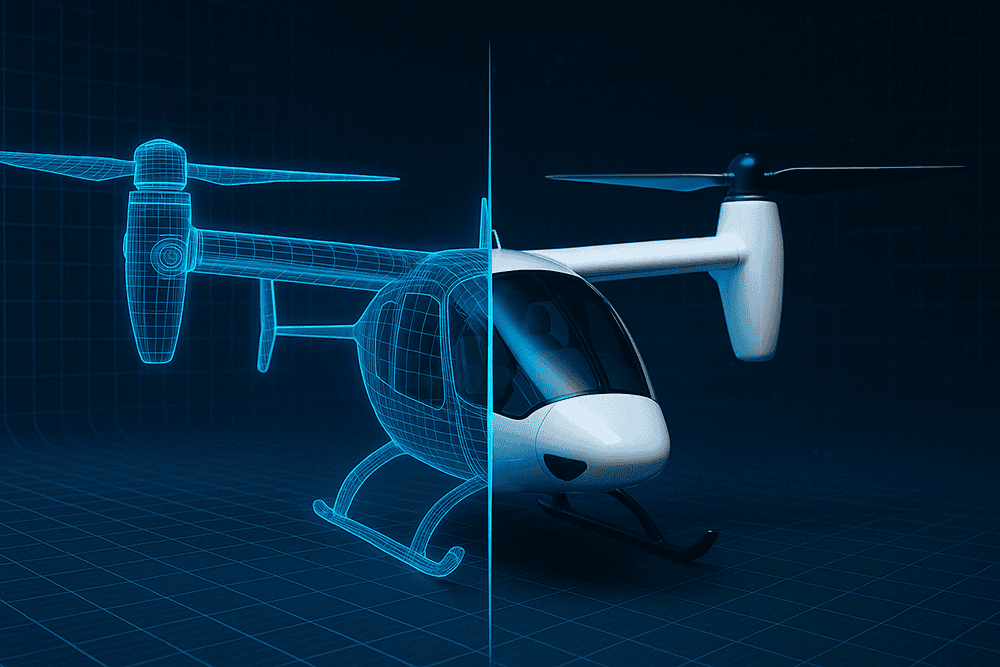
The electric Vertical Take-Off and Landing (eVTOL) aircraft market is witnessing unprecedented growth, projected to surge from $8.5 billion in 2021 to $30.8 billion by 2030. With over 250 eVTOL projects currently under development worldwide, manufacturers face a critical challenge: finding materials that deliver optimal performance while reducing weight and operational costs.

High-performance polymers are emerging as game-changing alternatives to traditional metals in eVTOL aircraft design. Specifically, these advanced materials offer impressive advantages – they are 40% lighter and five times stronger than metal counterparts. Additionally, polymer components can reduce engine noise by 50%, a crucial factor for urban air mobility applications.

The benefits extend beyond basic performance metrics. These innovative materials provide up to 40% improved strength compared to die-cast aluminum while maintaining mechanical stability at temperatures up to 340ºF. This combination of lightweight construction and superior performance makes high-performance polymers increasingly essential for next-generation aircraft design.

In this article, we examine why leading eVTOL manufacturers are choosing advanced polymer solutions over metals, exploring the specific advantages in strength, weight reduction, and thermal stability that make these materials crucial for the future of urban air mobility.


Material Property Comparison: Polymers vs Metals in eVTOL Design

High-performance polymers represent a significant advancement for eVTOL aircraft design, offering remarkable property profiles that often surpass traditional metals.


Tensile Strength and Fatigue Resistance in TORLON® vs Aluminum

TORLON® Polyamide-Imide (PAI) delivers exceptional mechanical strength in eVTOL applications where traditional metals once dominated. This high-performance polymer maintains its properties under extreme stress conditions, with tensile strength ranging from 100 to 180 MPa. Furthermore, TORLON® exhibits approximately twice the tensile and flexural strengths of conventional polymers like polycarbonate and polyamide at room temperature.

What truly distinguishes TORLON® from aluminum in eVTOL applications is its performance at elevated temperatures. At 260°C (500°F), TORLON® 4203L retains tensile and flexural strengths nearly equivalent to those of standard polymers at room temperature. In contrast, 6061 aluminum’s mechanical properties begin deteriorating at temperatures above 170°C.

The fatigue resistance of TORLON® is particularly valuable for eVTOL aircraft components like rotor systems and structural elements. Unlike metals that become brittle under repeated stress, TORLON® maintains excellent properties even under cryogenic conditions. This characteristic makes it ideal for flight-critical components experiencing constant mechanical stress during vertical take-off and landing operations.


Thermal Stability of ULTEM™ in High-Altitude Conditions

ULTEM™ (polyetherimide) stands out among high-performance polymers for its exceptional thermal stability in eVTOL applications. With a glass transition temperature of 217°C, ULTEM™ maintains mechanical integrity at altitudes where temperature fluctuations can compromise conventional materials.

The initial degradation temperature for ULTEM™ 9085 is remarkably high at 496°C, consequently making it suitable for components exposed to extreme thermal conditions. Its exceptional stability of physical and mechanical properties at elevated temperatures results in predictable performance in high-altitude eVTOL operations.

ULTEM™’s dimensional stability—among the most consistent of all thermoplastics—provides critical reliability for precision flight components. Indeed, this property ensures that control surfaces and structural elements maintain their exact specifications despite temperature variations experienced during rapid altitude changes.


Corrosion Resistance of VESPEL® in Humid Flight Environments

VESPEL® polyimide offers outstanding environmental resistance for eVTOL aircraft operating in variable humidity conditions. Unlike metals that require protective coatings, VESPEL® parts perform effectively in diverse chemical environments without degradation.

Operating continuously at temperatures up to 260°C (500°F) with brief exposures to 482°C (900°F), VESPEL® maintains structural integrity in the most demanding flight conditions. Moreover, its resistance to water exposure up to 100°C (212°F) makes it ideal for components facing moisture challenges.

VESPEL® SP-21 (15% graphite-filled) is particularly effective in eVTOL applications, having been approved by NASA and the US Air Force for flight in both atmospheric and space environments. Its combination of creep resistance, dimensional stability, and chemical resilience ensures reliable performance in critical flight systems exposed to humid conditions.

Despite their advantages, these high-performance polymers must be strategically implemented in eVTOL designs. The judicious selection of materials based on specific operating requirements ultimately determines the success of next-generation aircraft performance, especially in urban air mobility applications where weight reduction directly impacts battery efficiency and flight range.


Weight Reduction and Its Impact on Battery Life and Flight Range

In eVTOL aircraft development, weight is the most critical factor affecting every aspect of performance.


Component Weight Savings with PEEK vs Titanium

Polyetheretherketone (PEEK) offers remarkable weight advantages compared to traditional metals used in eVTOL structures. When comparing density values, PEEK provides weight reductions of up to 55% versus titanium and 40% versus aluminum while maintaining equivalent stiffness. These aren’t just theoretical benefits—they translate directly to operational advantages.

The weight savings become even more substantial when PEEK is reinforced with carbon fiber. Carbon-fiber reinforced PEEK (Cfr-PEEK) delivers up to 70% weight reduction compared to stainless steel, essentially creating components that are less than one-third the weight of their metal counterparts.

One real-world application demonstrates this impact: an electrical wire bundle clamp manufactured from PEEK weighs 20% less than its aluminum predecessor. Although seemingly minor, when multiplied across an entire aircraft, such component-level improvements yield substantial results.


Battery Life Extension through Lightweight Structural Elements
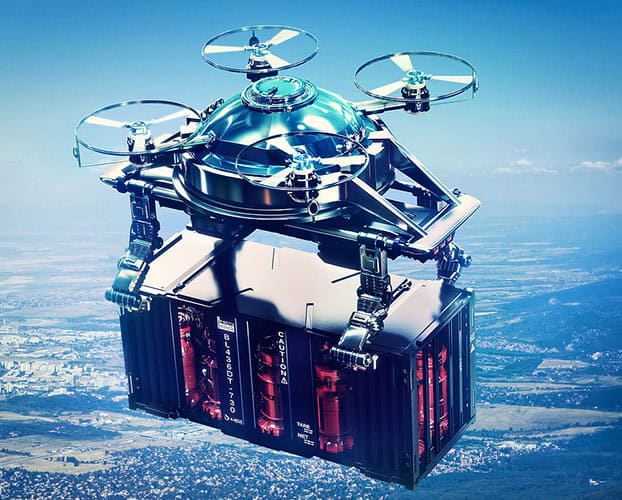
The relationship between structural weight and battery performance is fundamental to eVTOL viability. Battery-powered eVTOLs face a challenging physics problem—their weights remain constant throughout flight, unlike conventional aircraft that become lighter as fuel burns.

Accordingly, every gram saved in structural components has a compounding effect on battery efficiency. Research shows that a 20% increase in battery pack size can halve the battery capacity degradation rate, but this solution adds weight unless compensated elsewhere. High-performance polymers make this approach viable by offsetting battery weight with structural weight reductions.

For eVTOL aircraft, battery lifespan represents a critical operational constraint. Current lithium-ion batteries used in eVTOLs may require replacement after approximately 1,000 charge/discharge cycles when subjected to fast charging. This translates to yearly battery replacements even with moderate usage of just three flights daily—a significant operational expense.


Flight Range Gains in Polymer-Optimized eVTOL Prototypes

The correlation between weight reduction and flight range is particularly significant in the eVTOL sector. Industry standards suggest that eVTOL vehicles should maintain a minimum effective range exceeding 100 miles (approximately 160 kilometers), requiring batteries with a minimum specific energy around 230Wh/kg.

Real-world implementations confirm these performance gains. PEEK components in cargo drainage systems offer a 33% weight reduction compared to metal alternatives. Based on estimates, replacing 100m of metal piping with PEEK can save approximately $3,300 in annual fuel costs per aircraft.

Perhaps most impressively, composite materials with PEEK matrices can provide up to five times higher specific strength with four times higher fatigue strength compared to aluminum. This balance of lightweight construction and mechanical performance is essential for extending flight range.

For instance, current eVTOL designs utilizing advanced composites and high-performance polymers demonstrate doubled cruise endurance potential. Since over 90% of composites used in eVTOLs are carbon fiber, the integration of these materials with high-performance polymers like PEEK creates an optimal weight-to-performance ratio.

One concrete advantage: PEEK composite drainage systems installed on next-generation aircraft deliver 33% weight reductions versus metal equivalents. Such incremental improvements, when implemented across multiple systems, substantially enhance overall aircraft performance and range.


Materials and Methods: Precision Machining of High-Performance Polymers

Precision manufacturing of high-performance polymers requires specialized knowledge and techniques far different from traditional metal machining. At AIP Precision, I’ve observed that careful attention to thermal processing and machining parameters ensures optimal performance in eVTOL applications where component reliability is non-negotiable.


Annealing and Stress Relief in PEI and PAI Components

Annealing is crucial for high-performance polymers used in eVTOL aircraft structures, primarily because it eliminates internal stresses that could lead to premature failure. For ULTEM™ (PEI), the annealing process requires precise temperature control through multiple stages:

  1. Initial heating to 300°F at a maximum rate of 20°F per hour
  2. Holding at 300°F for 60 minutes plus 30 minutes for each additional 1/8″ of cross-section
  3. Secondary heating to 400°F at 20°F per hour
  4. Final hold at 400°F for 2 hours plus 30 minutes per 1/8″ of cross-section

This controlled process is essential as improperly annealed PEI components can experience dimensional changes during service, threatening the tight tolerances required in flight applications.

For TORLON® (PAI) components, post-machining annealing becomes increasingly important as machining volume increases. TORLON® parts annealed after rough machining and before final machining demonstrate superior flatness and tighter tolerance capability—critical factors for eVTOL rotor and control systems.


CNC Machining Parameters for ULTEM™ and TORLON®

TORLON® PAI’s exceptional strength necessitates specific machining parameters. Solid carbide or diamond-coated tools are optimal for achieving precise cuts while maintaining dimensional accuracy. Tool sharpness must be maintained constantly to prevent heat generation during cutting.

Similarly, cutting speeds for these high-performance polymers require careful control. Unlike metals, which often benefit from higher speeds, TORLON® machining speeds should remain below 400 surface feet per minute (SFPM) to prevent thermal deformation. Proper cooling is equally important but requires compatibility with the polymer to prevent chemical degradation.

For ULTEM™, the high-temperature resistance that makes it valuable in aerospace applications also creates machining challenges. Temperature control throughout the manufacturing process is fundamental since even minor heat variations can cause the material to expand or bend, affecting dimensional stability.


Dimensional Stability Control in Flight-Critical Parts

Moisture absorption represents a significant challenge for polymer components in eVTOL aircraft. Research indicates that moisture can lead to a 1.80% weight gain in polymers, potentially compromising structural integrity. Therefore, proper storage conditions between manufacturing steps are essential—temperatures should be maintained between 7°C and 23°C for optimal material stability.

Dimensional changes primarily result from water molecules forcing increased spacing between polymer chains. Glass fiber reinforcement effectively reduces these dimensional changes to approximately 0.1% per inch of part dimension, compared to 0.5-0.6% in unfilled polymers.

Advanced moisture barrier technologies provide essential protection, with high-performance barriers achieving Water Vapor Transmission Rates below 0.02 grams per 100 square inches over 24 hours. These techniques are particularly important for eVTOL components that experience cycling between different humidity environments.


Results and Discussion: Performance Metrics in eVTOL Applications

Performance testing reveals compelling advantages when high-performance polymers replace metals in eVTOL applications.


Thermal Cycling Tests on Polymer-Metal Hybrid Assemblies

Thermal cycling tests on polymer-metal hybrid structures in eVTOL components show remarkable stability under temperature fluctuations. In full-scale thermal testing of a horizontal stabilizer with composite-to-metal hybrid structures, the components produced significant thermally-induced loads yet maintained structural integrity. These tests validated Finite Element Method (FEM) analyzes that support certification through a combination of full-scale mechanical fatigue testing at room temperature alongside validated thermal load analysis.

The thermal performance of polymer components is particularly valuable in eVTOL battery systems, where heat generation rates during landing and takeoff are substantially higher than in ground vehicles – approximately 0.6 and 0.25 for landing and takeoff respectively, compared to maxima of 0.05 and 0.002 for electric automobiles and semitrucks.


Noise Reduction in Cabin Panels Using PEEK Composites

PEEK composites demonstrate exceptional acoustic performance in eVTOL cabin applications. Testing shows:

  • Maximum Sound Pressure Level (SPL) reductions of 7-15 dB in near-field measurements
  • Mean SPL reductions of 6.8 dB across 18 microphone positions
  • Up to 9.7 dB reduction at critical second frequency points

Subsequently, PEEK’s inherent properties enable it to replace stainless steel in components like impeller wheels, providing not only weight reduction but measurably reduced noise levels and more consistent running properties. This makes PEEK particularly valuable for urban air mobility applications where passenger comfort and community noise impact are crucial considerations.


Fatigue Life Comparison: Polymer vs Metal Hinges in Rotor Systems

Fatigue testing reveals that polymer components in rotor systems significantly outperform their metal counterparts. Tests on 30Cr2Ni4MoV steel show that different mean stresses lead to substantially different fatigue life outcomes. In contrast, hybrid polymer composites maintain consistent properties under cyclic loading.

Notably, research indicates that polymer components exhibit “shallow cycling” characteristics similar to lithium-ion batteries, promoting longer component lifespan. This characteristic is particularly valuable in rotor systems where components undergo millions of stress cycles during operational life.

The durability advantage extends to PEEK specifically, which demonstrates exceptional resistance to fracture and fatigue. PEEK’s strong molecular bonds enable it to withstand years of heavy vibration, friction, and cyclic stresses where other materials would rapidly degrade.


Limitations of Polymer Integration in eVTOL Aircraft

Despite the numerous advantages of polymers in eVTOL aircraft, fundamental limitations remain that prevent their universal adoption.


Load-Bearing Constraints in High-Stress Polymer Components

High-performance polymers face inherent limitations when used as primary structural materials due to their relatively low stiffness and strength compared to metals. Polymers cannot be used on their own as structural materials primarily because of their creep properties and working temperature limitations. The mechanical properties of most polymers drop sharply above 100-150°C, restricting their use in engine components and other high-temperature applications.

Furthermore, polymers demonstrate different deformation mechanisms than metals. Though they deform elastically and plastically like metals, the underlying processes differ significantly. The fatigue strength and fatigue limits for polymeric materials are consistently lower than metals, requiring careful consideration for components subject to cyclic loading.

Thermal challenges remain particularly significant. With specific heat values between 200-800 J/kg/K, most polymers aren’t suitable for high-temperature applications. Their tendency to become soft when heated affects stiffness, strength, and dimensional stability—critical factors in flight-critical components.


Certification Challenges for Non-Metallic Flight Structures

Obtaining airworthiness certification for polymer components represents a formidable hurdle. Certification has evolved to accommodate composite materials replacing metals as main structural components, yet regulatory complexities persist. Key areas requiring extensive substantiation include:

  • Material and Process Control (§25.603, .605)
  • Design Values (Ref. §25.613)
  • Proof of Structure including Damage Tolerance (Ref. §25.307, .561, .562, .571)
  • Environmental Protection (§25.609, RTCA DO-160)
  • Fire Properties (§25.853(a) & Appendix F)

Flammability testing presents unique challenges for polymers. Due to variations in material composition and manufacturing processes, base materials often require larger quantities of tests. Even slight design changes or supplier shifts necessitate repeat testing, creating certification delays.

The certification timeline itself poses significant obstacles—aviation certification typically takes around 11 years on average. Consequently, many eVTOL manufacturers prioritize established materials over innovation to accelerate certification.


Conclusion

High-performance polymers represent a transformative shift in eVTOL aircraft design, offering substantial advantages over traditional metals. Polymers deliver 40% weight reductions while maintaining superior strength and thermal stability compared to aluminum and titanium alternatives.

Though certification hurdles and load-bearing limitations present challenges, strategic implementation of materials like TORLON®, ULTEM™, and PEEK enables breakthrough performance gains. These polymers demonstrate exceptional capabilities across critical metrics – from noise reduction and thermal cycling to fatigue resistance and dimensional stability.

The future of urban air mobility depends largely on optimizing the weight-to-performance ratio of eVTOL components. Advanced polymer solutions make this possible through their unique combination of properties, enabling extended flight ranges and improved battery efficiency. Ready to transition your eVTOL components from metal to high-performance polymers? Partner with AIP Precision Machining for unmatched expertise in aerospace-grade polymer machining or contact me directly. Fred Castro – Project Specialist

Follow AIP Precision Machining on Linkedin

linkedin logo

In the demanding world of subsea operations, components must withstand extreme pressures, corrosive chemicals, and harsh environmental conditions. Precision machining and additive manufacturing have emerged as crucial technologies for producing high-performance polymer components that meet these challenging requirements.

High-performance polymers, particularly PEEK and Carbon PEEK, are revolutionizing subsea applications through their exceptional chemical resistance and mechanical properties. The ARGO 500 HYPERSPEED demonstrates this advancement with its ability to process these super polymers while maintaining mechanical repeatability down to 10 microns. This precision is essential for creating reliable components that can operate in aggressive chemical environments and withstand wide-ranging temperatures and pressures.

This article explores the latest developments in polymer manufacturing for subsea applications, examining how specialized materials and advanced manufacturing processes are addressing critical challenges in the oil and gas industry. From material selection to quality control, readers will gain insights into the technologies and methodologies that ensure the reliability of mission-critical subsea components.


Key Takeaways

Section Key Takeaway
Introduction High-performance polymers like PEEK and Carbon PEEK, combined with precision machining and additive manufacturing, address critical challenges in subsea environments such as corrosion, extreme pressure, and temperature.
Evolution of Polymer Materials in Subsea Environments Advanced polymers are replacing metals due to their inherent corrosion resistance, reduced weight, and long-term performance, reducing the need for secondary protection systems.
Chemical Resistance Requirements in Corrosive Conditions Materials like PEEK and PTFE offer superior chemical resistance, but machining and post-processing must preserve these properties to ensure longevity under harsh chemical exposure.
Temperature and Pressure Tolerance Advancements Subsea polymers must perform reliably at >200°C and >140 MPa; modern manufacturing processes and material development are meeting these requirements through simulations and empirical testing.
Precision Machining Technology for Critical Polymer Components Micron-level tolerances are achievable on polymer components through specialized CNC techniques, temperature control, and material-specific tooling—critical for seals and valve seats.
Surface Finish Optimization Techniques Advanced finishing methods ensure sealing integrity, improving functional performance.
Additive Manufacturing with High-Temperature Polymers Roboze’s ARGO 500 enables precise 3D printing of high-performance polymers with controlled chamber environments, offering new design possibilities for complex subsea parts.
PEEK and ULTEM™ AM9085F Processing Parameters PEEK and ULTEM™ require strict thermal conditions for extrusion and chamber environments to maintain structural integrity and ensure repeatability in subsea components.
Post-Processing Requirements for Functional Parts Additively manufactured parts often require mechanical and thermal post-processing (e.g., thermal treatment, vapor smoothing) to achieve target mechanical and sealing properties.
Material Selection Criteria for Subsea Applications Material selection is application-driven, with PEEK-based composites used for pressure resistance and fluoropolymers for chemical stability.
Conclusion The integration of precision machining and additive manufacturing enables high-performance subsea components that meet industry demands for reliability, chemical resistance, and dimensional control.


Evolution of Polymer Materials in Subsea Environments

Subsea environments present extraordinary challenges for engineering materials, with constant exposure to corrosive saltwater, extreme pressures, and fluctuating temperatures. The evolution of polymer materials for these demanding applications represents a significant technological advancement for offshore industries.


Traditional Materials vs. High-Performance Polymers

For decades, offshore oil and gas infrastructure relied primarily on metals protected by synthetic polymers, with hundreds of thousands of metric tons of plastics used worldwide to shield metallic flowlines and equipment against seawater corrosion. However, this approach has shifted dramatically with the emergence of high-performance polymers as structural materials themselves.

Traditional metal components face significant limitations in subsea applications, most notably their susceptibility to corrosion. Research indicates that more than half (51%) of all failures in traditional oil and gas pipelines occur due to internal corrosion. In contrast, engineered polymers offer inherent corrosion resistance, substantial weight reduction, and improved service life.

The weight advantage of polymers is substantial—engineering and high-temperature grade plastics such as PEEK, PEI, POM, and nylon weigh approximately 50% less than aluminum, while some composite materials weigh about 25% as much as steel. This weight reduction delivers significant benefits:

  • Improved buoyancy in underwater operations
  • Reduced need for costly buoyancy materials
  • Lower installation and handling costs
  • Enhanced maneuverability of subsea equipment

Furthermore, unlike traditional materials that rapidly corrode in marine environments, polymer components maintain their integrity over extended periods, ensuring long-term functionality without the need for cathodic protection.


Chemical Resistance Requirements in Corrosive Conditions

As the offshore industry pursues deeper wells, exposure to increasingly aggressive chemical environments has accelerated the need for chemically resistant polymers. Modern subsea operations encounter extremes of operating temperature and pressure—up to 315°C and 3,000 bars—often combined with corrosive elements like hydrogen sulfide (H₂S) and carbon dioxide (CO₂).

High-performance materials demonstrate exceptional resistance to these corrosive elements. PEEK (Polyetheretherketone) and PTFE (Polytetrafluoroethylene) are leading solutions for critical subsea components due to their superior chemical stability. Nevertheless, even these advanced materials show limitations. Studies reveal that PEEK, though widely believed to be stable in seawater, undergoes both physical and chemical changes during prolonged exposure, resulting in reduced bending modulus and lowered glass transition temperature.

Advanced polymer manufacturing processes, including precision machining and additive manufacturing, have enhanced material performance in these harsh environments. AIP Precision Machining specializes in producing components with tolerances as low as 0.002mm that maintain their chemical resistance properties even after extensive machining operations, preserving the integral material structure that provides corrosion protection.


Temperature and Pressure Tolerance Advancements

The temperature and pressure tolerance of subsea polymers has advanced significantly, responding to industry demands for materials capable of functioning at greater depths. Whereas average downhole operations typically reached temperatures of 150°C and pressures of 70-100 MPa, current industry challenges involve accessing wells with conditions exceeding 200°C and 140 MPa, with limiting targets around 250°C and 170 MPa.

Molecular dynamics simulations have provided valuable insights into polymer behavior under these extreme conditions. Research shows that environmental exposure significantly affects the glass transition temperature (Tg) of polymers, with epoxy being more sensitive than vinyl ester.

Additive manufacturing technologies, such as Roboze’s ARGO 500 HYPERSPEED, have revolutionized the production of high-temperature polymer components. This system processes materials like PEEK and ULTEM™ with exceptional dimensional accuracy, creating parts that maintain their mechanical properties under extreme subsea conditions. These manufacturing capabilities enable the production of complex valve components, seals, and seats that would be difficult or impossible to create through traditional methods.

The continuous evolution of polymer materials for subsea environments has not only addressed corrosion challenges but has also enhanced overall system performance, reduced maintenance requirements, and extended operational lifespans in some of the most demanding environments on earth.


Precision Machining Technology for Critical Polymer Components

Manufacturing critical polymer components for subsea applications requires exceptional precision and specialized machining technologies to ensure reliability in extreme operating conditions. Modern CNC machining capabilities, coupled with additive manufacturing processes, have reshaped how high-performance polymers are processed for demanding subsea environments.


CNC Machining Capabilities for Complex Geometries

Precision CNC machining of high-performance polymers enables the production of intricate subsea components with complex geometries that would be otherwise unattainable through conventional manufacturing methods. Advanced 5-axis machining centers provide the versatility needed to access every surface of a component in a single setup, consequently minimizing human intervention and reducing potential errors in the production process.

For subsea valve components specifically, multi-axis machining delivers several critical advantages:

  • The ability to produce complex contoured surfaces with minimal setup changes
  • Processing of multiple faces in a single operation
  • Optimization of tool angles for enhanced surface finishes

Modern polymer machining systems operate at speeds between 10,000-40,000 RPM using direct-drive or electric spindles to maximize precision. These advanced systems employ specialized trochoidal machining paths that maintain constant feed rates, ultimately optimizing material removal while minimizing heat buildup that could compromise the dimensional stability of temperature-sensitive polymers.


Achieving Micron-Level Tolerances for Valve Components

The successful machining of high-precision polymer valve seats and seals requires meticulous attention to several technical factors. First, tool selection must account for the thermal properties of the specific polymer being machined. While high-speed steel (HSS) tools work well for most thermoplastics, reinforced materials like carbon-filled PEEK demand carbide tooling to maintain dimensional accuracy.

Temperature management represents a critical aspect of achieving micron-level tolerances in subsea valve components. Because PTFE and other fluoropolymers can experience dimensional changes of up to 3% between 0°C and 100°C, sophisticated temperature-controlled manufacturing environments are essential. Additionally, real-time monitoring systems that track spindle speeds, power inputs, and tool positions enable immediate corrective actions during production.

For subsea applications where sealing is paramount, even a micrometer variation can mean the difference between a watertight seal and gradual failure. Therefore, quality procedures including first-off inspections and batch checking at agreed quantities ensure that any tool wear or process fluctuations remain within acceptable limits.


Surface Finish Optimization Techniques

Surface finish quality directly impacts the functionality of subsea polymer components, especially in valve seats and seals where imperfections can compromise sealing integrity. Standard CNC machining of polymers produces a surface roughness of 3.2μm, although finishes as smooth as 0.4μm are attainable with specialized processes.

The combined capabilities of precision machining and additive manufacturing represent a paradigm shift in producing mission-critical subsea components. Modern hybrid approaches that integrate both technologies leverage the complex geometry capabilities of additive manufacturing with the superior surface finish and tight tolerances of precision machining. This synergy is particularly valuable for prototype development and small-batch production of specialized valve components, where traditional tooling would be prohibitively expensive or time-consuming.


Additive Manufacturing with High-Temperature Polymers

The integration of high-temperature polymers with additive manufacturing technology has expanded the possibilities for producing complex subsea components that withstand extreme conditions. This approach offers unique advantages for valve seats, seals, and pressure-bearing components where customization and material performance are paramount.


ARGO 500 HYPERSPEED: Technical Capabilities

The ARGO 500 HYPERSPEED represents a significant advancement in high-temperature polymer processing. This system features a large 500x500x500mm build volume with extrusion temperatures reaching 500°C (932°F), enabling processing of the most demanding high-performance polymers. Its heated chamber achieves temperatures up to 180°C (356°F) in just over an hour, essential for reducing thermal shock and controlling cooling rates to minimize residual stresses in printed parts.

The machine utilizes a dual extruder system with 0.4mm and 0.6mm nozzle options, providing flexibility for both detail work and faster production. At its core, four integrated high-temperature material dryers operating at 120°C (248°F) protect hygroscopic polymers from moisture degradation—a critical factor when processing engineering-grade materials for subsea applications.


PEEK and ULTEM™ AM9085F Processing Parameters

PEEK (Polyetheretherketone) and ULTEM™ AM9085F (Polyetherimide) stand out for subsea applications due to their exceptional thermal and chemical properties. ULTEM™ AM9085F demonstrates a Heat Deflection Temperature (HDT) of 175°C (347°F), with inherent flame retardancy and minimal smoke generation—achieving UL 94-V0 certification without additives.

For optimal printing results, ULTEM™ AM9085F requires chamber temperatures of at least 170°C, while PEEK processing demands even higher temperatures—typically 360-450°C for extrusion and a minimum bed temperature of 120°C. Both materials benefit from vacuum build plates that ensure adhesion during printing and maintain critical dimensional stability.


Post-Processing Requirements for Functional Parts

Functional subsea components manufactured via additive processes typically require post-processing to achieve final specifications. Most high-performance printed polymers benefit from thermal post-processing—a controlled heat treatment that enhances crystallinity, improves interlayer bonding, and ultimately increases mechanical strength to over 90% of the original material properties.

Advanced coating processes further expand functionality, with options for metallic coatings via electroplating or physical vapor deposition to enhance wear resistance. For parts requiring maximum chemical protection, specialized polymer coatings can be applied to improve environmental resistance without compromising the base material’s mechanical properties.


Material Selection Criteria for Subsea Applications

Selecting the right material for subsea applications remains critical for component longevity, as improper choices can lead to premature failure, environmental contamination, and costly downtime. AIP Precision Machining employs specialized manufacturing approaches to meet the stringent requirements of extreme subsea environments.


PEEK-Based Composites for Valve Seats and Seals

PEEK (Polyetheretherketone) dominates subsea valve seat and seal applications thanks to its exceptional mechanical stability under pressure. When machined or additively manufactured with precision tolerances, PEEK components maintain their dimensional integrity even after prolonged exposure to seawater at elevated temperatures. For enhanced performance, carbon-fiber reinforced grades offer:

  • Increased stiffness with minimal creep under high loads
  • Superior abrasion resistance for dynamic sealing surfaces
  • Enhanced thermal conductivity reducing thermal expansion issues
  • Exceptional resistance to hydrogen sulfide present in pre-salt oil fields

Fluoropolymer Solutions for Chemical Exposure

For extreme chemical resistance, fluoropolymers offer superior performance compared to other polymer families. Specialized PTFE compounds with aromatic polymer fillers are applicable for high-integrity valve stem sealing. These materials create exceptionally smooth dynamic sealing surfaces after a short run-in period, making them ideal for low-viscosity fluids and gasses.

Alternatively, FEP and PFA fluoropolymers provide excellent thermal stability alongside chemical resistance, with heat shrink sleeving options available from 10mm to 400mm diameters for protecting critical subsea components.


Conclusion

Advanced polymer manufacturing has transformed subsea component production through precision machining and additive manufacturing technologies. These manufacturing methods, particularly when applied to PEEK and fluoropolymer materials, deliver exceptional chemical resistance and mechanical stability under extreme pressures and temperatures.

AIP Precision Machining achieves micron-level tolerances through specialized CNC processes, while Roboze’s ARGO 500 HYPERSPEED system processes high-temperature polymers with remarkable precision. Together, these complementary technologies create reliable valve seats, seals, and critical components that maintain their integrity in aggressive chemical environments.

Quality control systems and rigorous material testing protocols ensure component reliability throughout their service life. This comprehensive approach combines material science advances with manufacturing precision to address the oil and gas industry’s most demanding requirements.


FAQs

Q1. What are the main advantages of using high-performance polymers in subsea applications?
High-performance polymers offer inherent corrosion resistance, significant weight reduction, and improved service life compared to traditional metal components. They maintain their integrity in harsh marine environments without needing cathodic protection.


Q2. How do precision machining technologies contribute to the production of critical subsea components?
Precision machining technologies, such as advanced 5-axis CNC machining, enable the production of complex geometries with micron-level tolerances. This precision is crucial for creating reliable valve seats, seals, and other components that can withstand extreme pressures and corrosive environments.


Q3. What role does additive manufacturing play in producing subsea polymer components?
Additive manufacturing, especially with systems like the ARGO 500 HYPERSPEED, allows for the production of complex parts using high-temperature polymers like PEEK and ULTEM™. This technology enables the creation of customized components with intricate designs that would be difficult or impossible to produce through traditional methods.


Q4. What quality control measures are essential for ensuring the reliability of subsea polymer components?
Quality control for subsea polymer components involves dimensional verification methods, non-destructive testing, comprehensive documentation and traceability systems, and performance validation in simulated environments. These measures ensure that components meet strict industry standards and can perform reliably under extreme conditions.

Follow AIP Precision Machining on Linkedin

linkedin logo