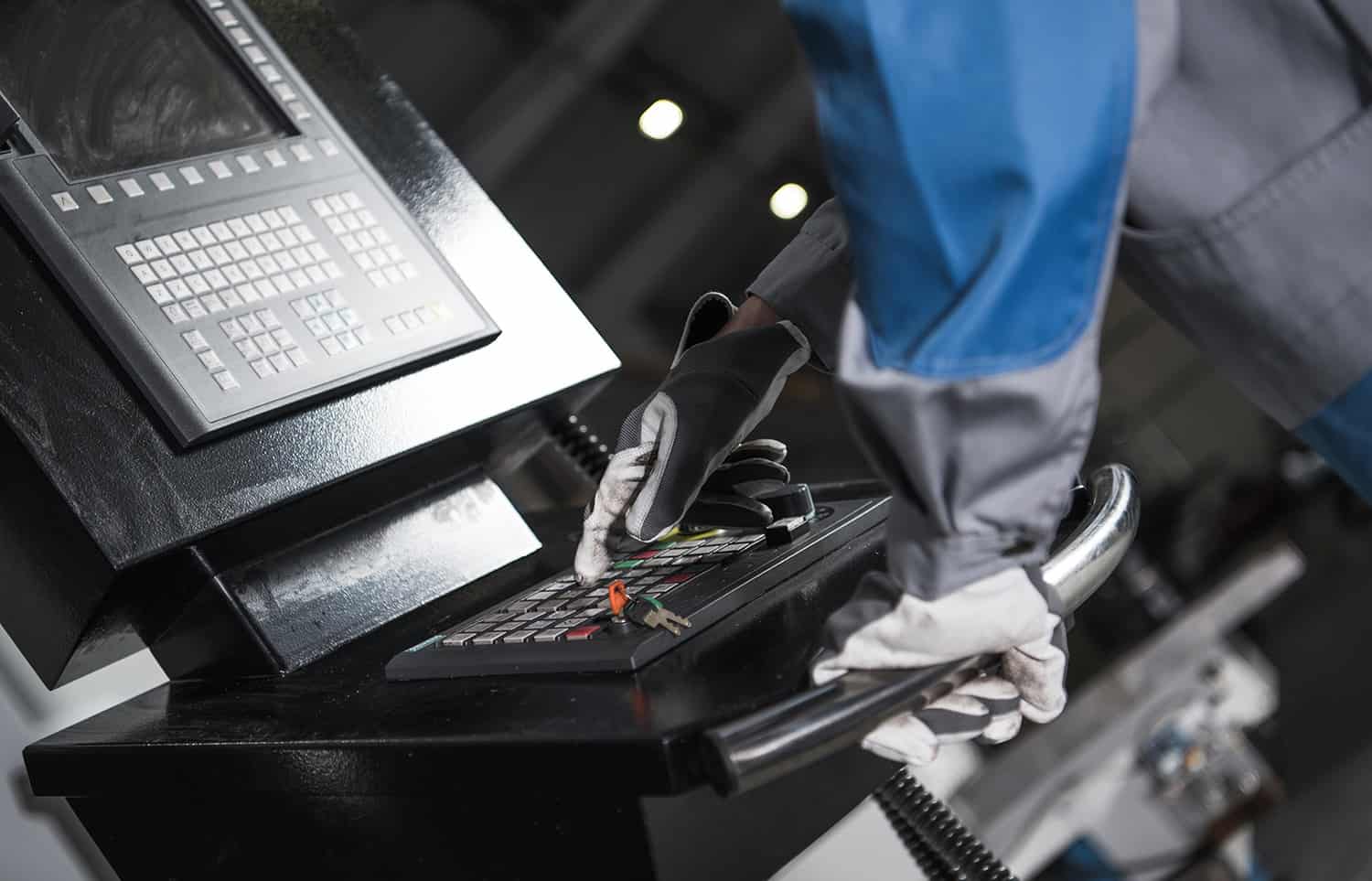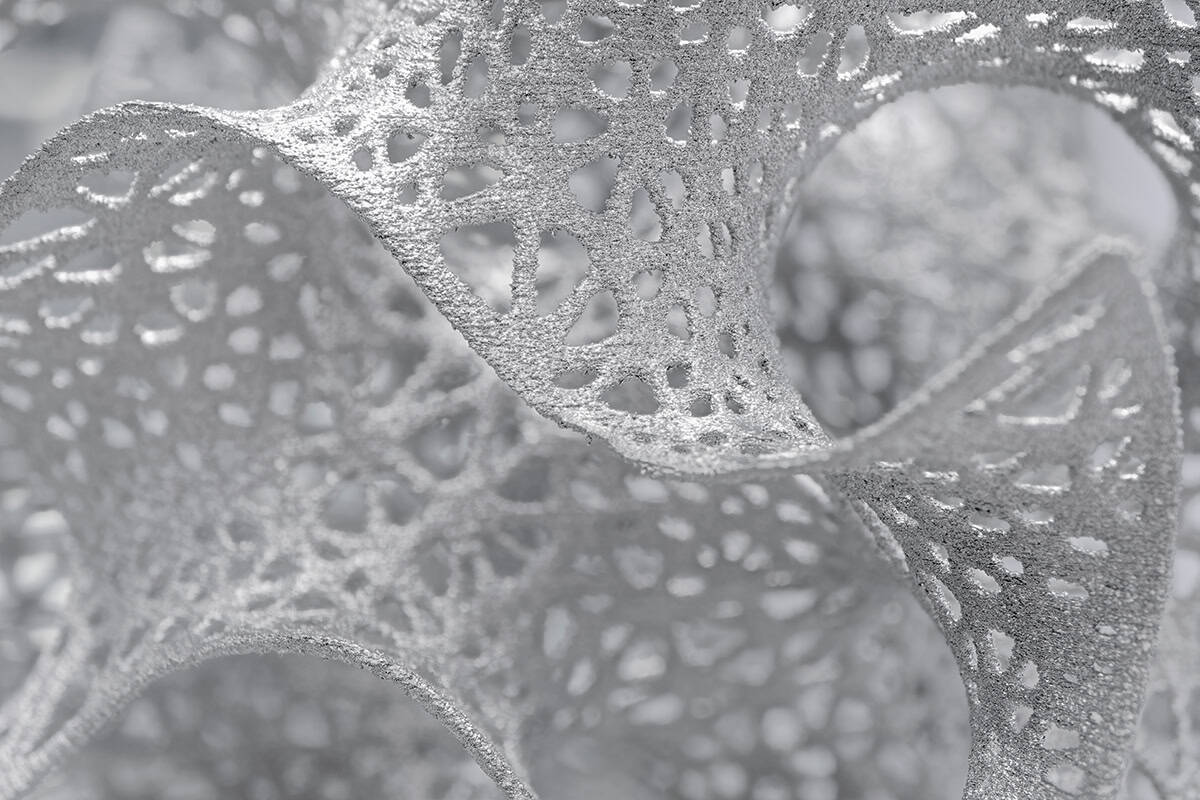
Precision 3D printing with high-performance polymers represents a significant advancement in additive manufacturing technology. Modern aerospace components and medical devices demand exceptional accuracy, superior mechanical properties, and consistent material performance. These critical applications require specialized materials like PEEK and advanced manufacturing processes that meet strict industry standards while delivering reliable results.
The successful implementation of high-precision 3D printing depends on several key technical factors. Material selection, hardware optimization, and parameter control play crucial roles in achieving optimal results. This article examines essential considerations for polymer selection, hardware requirements, and slicing parameters that enable manufacturers to produce complex geometries with superior accuracy. Readers will learn practical approaches to enhance print quality, reduce costs, and accelerate time-to-market through effective part consolidation and process optimization.
Selecting the Right High-Performance Polymer for Your Application
Selecting appropriate high-performance polymers (HPPs) for precision 3D printing requires careful consideration of multiple factors that directly impact part performance and manufacturing success. Engineers must evaluate various material characteristics to ensure optimal results in their specific applications.
Evaluating mechanical properties and heat resistance
High-performance polymers demonstrate exceptional mechanical properties crucial for demanding applications. PEEK (polyetheretherketone) stands out with its continuous use temperature of 260°C and superior strength-to-weight ratio. It also maintains excellent mechanical properties even under elevated temperatures, making it ideal for aerospace and automotive applications.
For applications requiring extreme temperature resistance, materials like ULTEM 1010 offer a heat deflection temperature of 216°C with outstanding dimensional stability. The mechanical properties of these materials remain stable across a wide temperature range, ensuring consistent performance in challenging environments.
Considering chemical resistance and durability
Chemical resistance ratings for high-performance polymers typically follow a four-tier system:
- Level 1: Excellent resistance – suitable for prolonged exposure
- Level 2: Good resistance – appropriate for short-term exposure
- Level 3: Limited resistance – potential degradation during short exposure
- Level 4: Poor resistance – rapid material degradation
PEEK demonstrates remarkable chemical resistance, particularly against jet fuel, hydraulic fluids, and industrial cleaners. Its semi-crystalline structure provides excellent creep and fatigue resistance, often surpassing traditional metals in long-term durability tests.
Matching polymer characteristics to specific industry needs
Different industries require specific material characteristics for their unique applications. In aerospace manufacturing, materials must combine lightweight properties with exceptional strength and heat resistance. Medical applications demand biocompatible materials that can withstand sterilization processes while maintaining dimensional accuracy.
The automotive sector benefits from materials offering:
- High impact resistance and durability
- Excellent chemical resistance to fuels and lubricants
- Superior thermal stability
- Enhanced wear resistance for dynamic applications
Cost-benefit analysis of different high-performance polymers
While high-performance polymers typically command premium prices compared to standard engineering plastics, their advanced properties often justify the investment through:
- Extended component lifespan
- Reduced maintenance requirements
- Enhanced performance in extreme conditions
- Decreased system downtime
- Lower overall lifecycle costs
Material selection should consider both immediate manufacturing costs and long-term performance benefits. For instance, PEEK-based carbon fiber composites, despite higher initial costs, offer specific strength several times that of metals, potentially reducing overall system weight and operating costs.
The adoption of high-performance polymers in additive manufacturing continues to expand as manufacturers recognize their advantages in producing complex, lightweight components with superior mechanical properties. These materials enable the production of parts that maintain structural integrity under extreme conditions while offering design flexibility unattainable with traditional manufacturing methods.
Optimizing 3D Printer Hardware for High-Performance Polymers
Successful implementation of high-performance polymer printing requires precise hardware optimization to achieve superior part quality and consistency. Engineers must carefully consider each component’s specifications to ensure optimal performance in demanding applications.
Choosing the appropriate nozzle and extruder
The selection of proper nozzle and extruder combinations significantly impacts print quality when working with high-performance polymers. Hardened steel nozzles with a hardness scale of 6-8 mohs provide superior wear resistance compared to standard brass options, making them ideal for abrasive materials. For optimal performance, manufacturers should consider the following specifications:
| Nozzle Type | Temperature Range | Recommended Materials |
| Hardened Steel | Up to 500°C | PEEK, ULTEM, Carbon-reinforced |
| Ruby Tip | Up to 500°C | Highly abrasive materials |
| CHT (Triple-path) | Up to 500°C | High-flow applications |
Modern high-flow extruders can achieve pushing forces up to 12 kilos, enabling consistent material flow even with highly viscous polymers. The implementation of dual-drive systems with specialized gear designs ensures reliable feeding of challenging materials.
Upgrading to a high-temperature print chamber
Temperature-controlled chambers are essential for achieving optimal layer adhesion and preventing warpage in high-performance polymers. Active chamber heating systems capable of maintaining temperatures up to 90°C provide several advantages:
- Improved layer bonding through controlled cooling rates
- Enhanced stress relief during printing
- Reduced warpage through uniform temperature distribution
- Better crystallization control for semi-crystalline polymers
Implementing advanced cooling systems
Precise thermal management plays a crucial role in achieving dimensional accuracy and structural integrity. Advanced cooling systems must maintain optimal temperature gradients throughout the printing process. The implementation of independent motor drivers and specialized cooling solutions enables precise control over material crystallization and layer adhesion.
Modern cooling systems incorporate:
- Multi-zone temperature control
- Independent fan speed regulation
- Targeted cooling paths
- Advanced thermal monitoring
Selecting compatible build plates and adhesion solutions
Build plate selection significantly impacts first-layer adhesion and overall print success. Nano-polymer adhesive solutions specifically designed for high-temperature applications can withstand pulling forces exceeding 20,000 PSI. These advanced adhesives maintain effectiveness across multiple surfaces, including:
- Borosilicate glass
- Carbon fiber composites
- PEI-coated surfaces
- Ceramic glass plates
For optimal results with high-performance polymers, manufacturers should implement self-leveling build plates capable of maintaining temperatures up to 200°C. These systems provide consistent first-layer adhesion while accommodating the significant thermal expansion characteristics of advanced polymers.
The integration of flexible build plates with specialized coatings facilitates easier part removal while maintaining dimensional accuracy. When working with materials like PEEK or ULTEM, rapid part removal at elevated temperatures prevents potential thermal stress-induced damage to both the printed component and build surface.
Advanced hardware configurations enable manufacturers to achieve precise control over the entire printing process, from initial material deposition through final part completion. This level of control ensures consistent quality and reliability in critical applications across aerospace, medical, and industrial sectors.
Mastering Slicing and Print Parameters for Precision Results
Achieving optimal results in precision 3D printing requires mastery of slicing parameters and print settings. Engineers must carefully balance multiple variables to ensure consistent quality and dimensional accuracy in critical applications.
Fine-tuning layer height and extrusion width
Layer height configuration directly influences both print quality and mechanical properties. Optimal layer height typically ranges between 0.05mm and 0.4mm, depending on the nozzle diameter. For high-performance polymers, manufacturers should consider the following relationships:
| Layer Height (mm) | Surface Quality | Print Speed | Mechanical Strength |
| 0.05 – 0.1 | Excellent | Slow | High |
| 0.15 – 0.2 | Good | Moderate | Moderate |
| 0.25 – 0.4 | Fair | Fast | Variable |
Extrusion width settings significantly impact part strength and dimensional accuracy. The optimal extrusion width typically ranges from 100% to 120% of the nozzle diameter. Engineers should maintain consistent pressure inside the nozzle to achieve uniform material deposition and enhanced layer bonding.
Optimizing print speed and cooling rates
Temperature control and print speed optimization are crucial for achieving superior results with high-performance polymers. The relationship between these parameters affects both mechanical properties and surface finish. Key considerations include:
- Material crystallization rates
- Layer adhesion requirements
- Thermal gradient control
- Dimensional stability
Print speed optimization requires careful consideration of material properties and geometric complexity. For high-performance polymers, manufacturers typically achieve optimal results with speeds ranging from 30mm/s to 60mm/s for outer perimeters and up to 150mm/s for infill sections.
Adjusting infill patterns and density for strength and accuracy
Infill configuration plays a critical role in determining part strength and performance characteristics. Advanced infill patterns offer varying benefits:
- Gyroid Pattern
- Superior strength distribution
- Enhanced heat dissipation
- Improved layer bonding
- Triangular Pattern
- Maximum vertical load capacity
- Enhanced structural stability
- Optimal for aerospace applications
Density settings typically range from 20% for prototype components to 50% or higher for functional parts requiring maximum strength. Engineers should consider that increasing infill density beyond 75% yields diminishing returns in strength improvement while significantly increasing material consumption and print time.
Implementing advanced slicing techniques for complex geometries
Modern slicing software enables sophisticated approaches for handling complex geometries and achieving superior surface quality. Non-planar slicing techniques allow for optimized tool paths that follow part contours, resulting in enhanced surface finish and improved mechanical properties.
Advanced slicing parameters for complex geometries include:
| Parameter | Function | Impact |
| Adaptive Layers | Varies layer height based on geometry | Enhanced detail preservation |
| Variable Width | Adjusts extrusion width dynamically | Improved dimensional accuracy |
| Gradient Infill | Modifies density based on stress requirements | Optimized strength-to-weight ratio |
For critical aerospace and medical device applications, manufacturers should implement specialized slicing strategies that account for:
- Thermal stress distribution
- Support structure optimization
- Surface quality requirements
- Dimensional tolerance specifications
The implementation of advanced cooling control systems enables precise management of material crystallization rates. Forced-air cooling with controllable speed directly influences both dimensional quality and mechanical strength. Higher airflow velocities typically improve dimensional accuracy but may decrease mechanical properties, requiring careful optimization based on specific application requirements.
Engineers must consider the relationship between layer bonding and void content, as these factors significantly influence part strength. The surrounding temperature and convection coefficient inside the build chamber strongly affect the cooling temperature profile, mesostructure, and bond strength of printed components.
For optimal results with high-performance polymers, manufacturers should implement comprehensive parameter optimization strategies that account for:
- Material-specific crystallization behavior
- Thermal mass considerations
- Build chamber environmental control
- Layer adhesion requirements
- Surface quality specifications
The successful implementation of these advanced slicing and parameter control strategies enables manufacturers to achieve exceptional quality and consistency in critical applications. Through careful optimization of these parameters, engineers can maximize both mechanical properties and dimensional accuracy while maintaining efficient production cycles.
Conclusion
Precision 3D printing with high-performance polymers demands mastery across multiple technical domains. Material selection establishes the foundation through specific mechanical properties, chemical resistance, and thermal characteristics that match application requirements. Hardware configurations, including specialized nozzles, temperature-controlled chambers, and advanced cooling systems, create the necessary manufacturing environment. Parameter optimization through precise control of layer heights, print speeds, and infill patterns ensures consistent quality and dimensional accuracy across critical applications.
Manufacturing success relies on careful integration of these technical elements while maintaining strict quality standards throughout production. Companies must evaluate their specific requirements against material capabilities, equipment specifications, and process parameters to achieve optimal results. Accelerate your project with AIP’s precision 3D printing for rapid prototyping – our expertise in high-performance polymers and advanced manufacturing processes helps speed up product development from concept to prototype. Professional guidance through these technical considerations ensures manufacturers maximize the benefits of precision 3D printing while meeting demanding industry requirements.